






HOW TO CHOOSE THE RIGHT GUITAR STRAP
A complete player’s guide to comfort, fit, material, length and style.
The right guitar strap does much more than keep your instrument in place. It can improve your comfort, support better playing posture, and give you the confidence to move naturally on stage. It is also one of the most visible ways to express your personal style.
With so many materials, widths, lengths and designs available, how do you choose the best guitar strap for the way you play? Start by considering five essentials: your instrument, comfort needs, preferred material, strap length and personal style.
1. MATCH THE STRAP TO YOUR INSTRUMENT
Electric guitars, acoustic guitars and basses differ in weight, balance, and strap-button placement. A strap that feels perfect with one instrument may not offer the same support with another.
ELECTRIC GUITAR STRAPS
Most electric guitars work well with a strap around 2 to 3 inches wide. A lighter instrument may feel comfortable with a narrow strap, while a heavier solid-body guitar can benefit from a wider design that distributes weight across more of your shoulder.
Also consider the guitar’s balance. If the neck tends to drop when you let go (a problem often called “neck dive”) a strap with more grip, such as suede or leather, may help hold the instrument in position better than a slick material.
ACOUSTIC GUITAR STRAPS
Many acoustic guitars have one strap button at the base and a second near the neck heel. Others require the front of the strap to be secured near the headstock with a strap adapter or lace. Before buying, check your guitar’s attachment points and confirm that the strap will work with your setup.
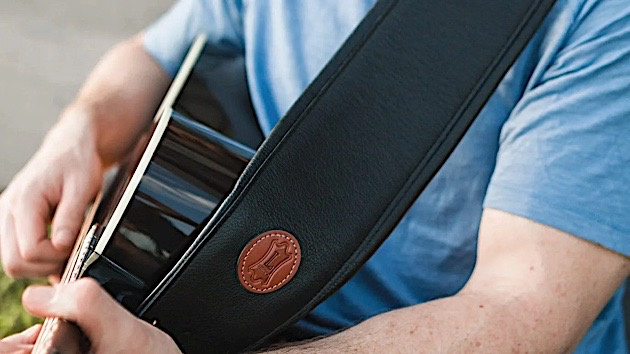
Because acoustic guitars are often lighter than solid-body electrics and basses, many players enjoy a soft leather, suede, cotton or woven strap. The best choice is one that keeps the guitar stable without limiting your strumming arm.
BASS GUITAR STRAPS
A bass is typically longer and heavier than a guitar, so support becomes especially important. A good bass guitar strap is often wider, well-constructed and comfortable enough for long rehearsals or performances. A width of 3 inches or more can help spread the instrument’s weight over a larger area and reduce concentrated pressure on the shoulder. For heavier basses, look for a wide leather or padded strap with strong ends and secure adjustment hardware. The goal is not simply to hold the bass; it is to help you stay comfortable and maintain a consistent playing position from the first song to the encore.
2. MAKE COMFORT A PRIORITY
A strap may look great, but if it digs into your shoulder or constantly shifts, it can distract you from your performance. The most comfortable guitar strap depends on the weight of your instrument, the length of your playing sessions and your individual fit preferences.
Pay attention to these comfort factors:
- Width: Wider straps distribute weight across more of the shoulder. This can be especially helpful for heavy guitars and basses.
- Padding: Added padding can reduce pressure during long sets, rehearsals and recording sessions.
- Flexibility: Soft, broken-in materials tend to conform to the shoulder more naturally.
- Backing material: Suede and other textured backings can help reduce sliding, while smoother backings allow the instrument to move more freely.
- Edges and stitching: Smooth edges and quality construction help prevent irritation and improve durability.
There is no single width that works for every player. A lightweight guitar may feel great on a slim strap, while a heavier instrument may call for extra width or padding. If you regularly play standing for an hour or more, comfort should be near the top of your list.
3. CHOOSE THE RIGHT STRAP MATERIAL
Material affects the feel, flexibility, grip, durability and appearance of a strap. Each option offers a different playing experience.
LEATHER GUITAR STRAPS
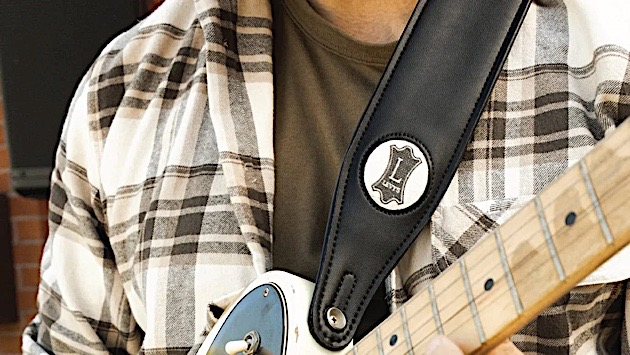
A leather guitar strap is a classic choice for players who want durability, support and timeless style. Quality leather can soften and develop character with use, allowing the strap to become more personal over time.
Different types of leather offer different benefits:
- Garment leather has a soft, supple feel that makes it comfortable from the start.
- Suede leather has a soft nap and added grip that can help keep the instrument in place.
- Top-grain leather balances strength, flexibility and value.
- Crazy Horse leather develops a distinctive patina over time for a worn-in, vintage appearance
Leather is a strong option for electric guitar, acoustic guitar and bass players. The right design can provide dependable support without sacrificing style.
COTTON AND NATURAL-MATERIAL STRAPS
Cotton straps are soft, breathable and flexible. They are often a comfortable choice for lighter instruments, warm stages or players who prefer a relaxed, natural feel. Natural-material straps can also bring texture and understated style to an instrument.
POLYESTER AND POLYPROPYLENE STRAPS
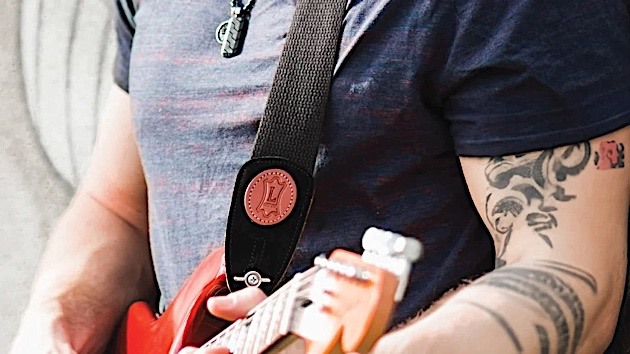
Synthetic straps are lightweight, durable and easy to adjust. They are available in a wide range of colors, prints and designs, making them a versatile choice for beginners, working musicians and anyone who likes to coordinate a strap with different instruments.
PADDED STRAPS
Padding may be added to leather or synthetic designs to provide extra cushioning. A padded strap can be especially useful for heavy instruments, extended performances or players who experience shoulder pressure. Remember that width and fit matter alongside padding; the best result comes from a strap that distributes weight evenly and sits securely.
4. FIND THE CORRECT GUITAR STRAP LENGTH
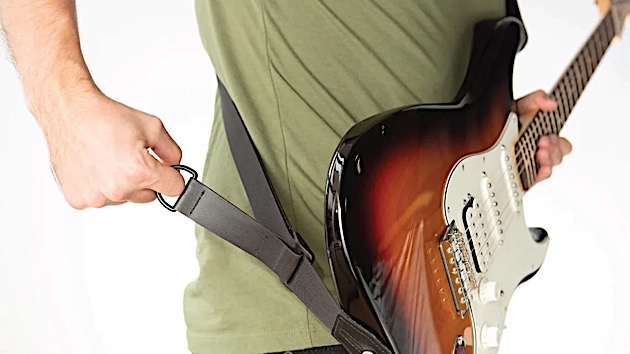
The correct guitar strap length helps support healthy posture and places the instrument where your hands can move comfortably. If a strap is too short, your shoulders and wrists may feel cramped. If it is too long, you may have to bend your wrist or reach for the fretboard.
There is no universal “correct” height. Some players prefer the guitar higher for technical control, while others wear it lower based on their style and stage presence. The important thing is to find a position that feels natural and lets both hands play without unnecessary strain.
To determine your ideal strap length:
- Put on your guitar with an adjustable strap.
- Stand in your normal playing posture.
- Adjust the instrument until your fretting wrist feels neutral and your picking or strumming arm feels relaxed
- Measure the strap from one attachment hole to the other.
- Use that measurement when comparing the adjustment range of a new strap.
If you switch between instruments or sitting and standing positions, choose a strap with a broad adjustment range. Levy’s patented Right Height™ guitar straps use RipChord Technology™ to let players quickly adjust strap height while wearing the instrument.
STANDARD, EXTRA-LONG AND SPECIALTY LENGTHS
Always review the listed minimum and maximum measurements before purchasing. Standard strap lengths suit many players, but an extra-long strap may be better for a taller player, a larger instrument or a lower playing position. Players with smaller frames, children and musicians who wear the instrument high may need a shorter adjustment range.
5. CHECK THE STRAP ENDS AND HARDWARE
A strap is responsible for supporting one of your most important pieces of gear, so attachment points matter. Look for strong strap ends, clean stitching and adjustment hardware that feels secure.
The strap-end openings should fit snugly over the instrument’s strap buttons. If the openings become stretched or damaged, replace the strap or use an appropriate strap-lock system. Players who move energetically on stage may want the added security of strap locks, but they should always confirm compatibility with their guitar and strap.
Inspect your strap regularly for worn stitching, cracks, stretched holes or damaged hardware; especially before rehearsals, tours and live performances.
6. CONSIDER GRIP VERSUS FREEDOM OF MOVEMENT
Some players want the guitar to stay in one exact position. Others prefer a strap that slides easily across a shirt or jacket as they move.
A suede-backed or textured strap generally provides more grip, which can help with an unbalanced guitar or bass. A smooth strap may feel better for players who frequently reposition the instrument during a performance. Neither option is automatically better; the right choice depends on how you move and how your instrument balances.
7. CHOOSE A STYLE THAT FEELS LIKE YOU
A guitar strap is part of your visual identity. Classic black or brown leather offers a timeless look, while embossed patterns, woven designs, bright colors and artist-inspired graphics can make the strap a focal point.
Consider how the strap works with your instrument’s finish, your usual stage wardrobe and the music you play, but do not be afraid to choose something unexpected. The best guitar strap is one that supports your instrument, feels comfortable and makes you want to pick up your guitar.
QUICK GUITAR STRAP BUYING CHECKLIST
Before making your choice, ask:
- Is the strap suitable for the weight and balance of my instrument?
- Do I want a narrow profile or wider weight distribution?
- Would padding make long playing sessions more comfortable?
- Do I prefer the grip of suede or the movement of a smooth backing?
- Does the adjustment range include my ideal guitar strap length?
- Are the strap ends and hardware strong and secure?
- Does the design reflect my personal style?
FIND YOUR BEST GUITAR STRAP WITH LEVY’S
Since 1973, Levy’s has created straps that bring together comfort, craftsmanship and individual style. From soft garment leather and suede to cotton, natural materials and durable synthetic designs, there is a strap for every player, instrument and stage.
Explore the full collection of guitar straps, browse leather guitar straps, or start with Levy’s best-selling straps to find the right fit for your musical journey.